

It is extremely important that when you go on a walking tour, that you dress properly. But how do you do that?
It depends highly on what kind of walk you are going to take. Is it just a stroll in a city or town? How long will it be? Is it in a rural area? In the mountains? All essential to know.
Layered clothes, good closed shoes (no flip-flops!). And in a small backpack, 1 or 2 bottles of water and a small snack. Depending on how long the hike/walk will be.
Sunscreen and a hat are also good items to have with you. This depends of course highly on where and when you are doing the walk.
No need for sunscreen and a hat when you walk late in the evening at night. At that time, a warm hood and mosquito repellent are more important.
Take also blister plasters and a pair of dry socks with you. When your feet become sweaty or wet from running through water, the chance of getting blisters increases. Getting on a dry pair of socks can prevent this.
Insect spray or cream might another option to take with you. And when you know that you will come by a beach or a lake, swimming clothes and a towel are probably necessary.
You Might Ask, “Night Walks”?
Night walks can be very interesting. Sometimes a bit scary or a little dangerous when you are not following the regulations. During night walks, you will be able to see animals you won’t see during the day.
Examples can be Wild Boars (be careful), Owls, Bats, Badgers, Foxes and many more. I have seen several of these animals doing night walks at “De Veluwe” in the Netherlands. Please, do these walks only with an official and experienced guide.
No Flips-Flops? Why is That?
I have guided many tours in Fuerteventura, one of the Canary Islands. Among them, Jeep Tours with walking up and down a Volcano. And also rural walking tours.
We always advised not to wear flip-flops. Imagine an instable and uneven terrain up and down the Volcano with flip-flops.
Flip-flops lack a sturdy and good support of the fee. No arch support and no cushioning. Your feet will become fatigue, you’ll get pain, and injuries like plantar fasciitis are possible.
Due to their flimsy design, it requires a constant and unnatural toe-gripping. This gripping is causing instability, increased risk of blisters, sprained ankles, and vulnerability to dirt, stubbed toes, and uneven, cobblestone surfaces.
Protect yourself and your feet. Wear proper shoes with a good grip to prevent injuries.
Always listen to your guide. They are exprienced and know the area you are hiking/walking. When they warn you about something, listen to them. It’s for your own safety and the safety of the other members of your group.
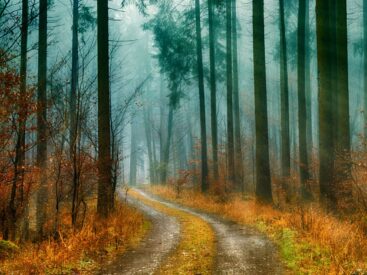
Featured Left & Right Image by me using Adobe Express.